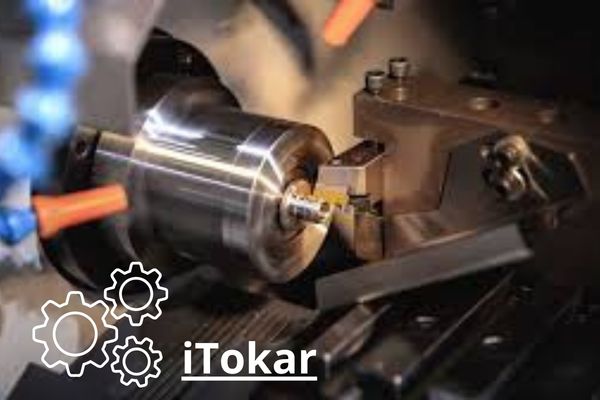
Tolerances and accuracy in turning: grades, fits and dimensional control
We perform metal turning work in strict compliance with technical requirements and regulatory tolerances. We manufacture parts according to drawings and samples, and work with industrial and private orders.
Metal turning with guaranteed precision and compliance with tolerances
We perform metal turning in strict compliance with technical requirements and regulatory tolerances. We manufacture parts according to drawings and samples, and work with industrial and private orders. Modern lathes and CNC equipment allow us to ensure high machining accuracy, stable repeatability of dimensions, and quality control at every stage of production. Urgent processing and manufacturing of batches of parts of any complexity is possible.
Tolerances and precision in turning are key parameters that directly affect the reliability of the assembly and the service life of the mechanism.
What are tolerances and grades in metalworking?
A tolerance is the permissible deviation of the actual size from the nominal size specified in the drawing.
For example, if the shaft diameter is 30 mm, the tolerance can be ±0.01 mm or ±0.05 mm, depending on the requirements.
Grade is the degree of accuracy established by standards. The lower the grade number, the higher the manufacturing accuracy of the part.
The following are most commonly used in mechanical processing:
- Grade 6-7 - high-precision fits
- Grade 8-9 - standard metalworking
- Grade 10-12 - parts without strict requirements
Correctly set tolerances allow you to avoid overspending and excessive precision where it is not required.
Why machining accuracy is so important
Dimensioning errors can lead to:
- joint backlash
- increased vibration
- bearing overheating
- rapid wear
- jamming of the mechanism
For example, when manufacturing a bearing seat, a tolerance excess of only 0.03 mm can lead to unstable operation of the assembly.
That is why, when turning, it is important to take into account not only the nominal dimensions, but also the actual operating conditions of the part.
Fits, roughness and their effect on part performance
In addition to tolerances, the following are also of great importance:
- the fit system (H7, h6, etc.)
- surface roughness
- coaxiality
- runout
- perpendicularity
Roughness affects friction and wear. Sliding joints require a higher surface finish than auxiliary elements.
Professional metal turning always takes these parameters into account.
How high precision is achieved in turning
To achieve consistent results, the following are used:
- modern turning machines
- CNC equipment
- precise cutting tools
- calibrated measuring instruments (micrometers, internal micrometers, indicators)
- operational quality control
It is also important to consider the material of the workpiece. Steel, stainless steel, aluminium and bronze behave differently during machining.
What the customer must specify
To ensure that the parts are manufactured without errors, it is necessary to:
- provide a drawing with tolerances specified
- indicate fits
- specify roughness requirements
- inform us of the operating conditions
If there is no documentation, our specialists will help you determine the optimal accuracy parameters.
Our team of experienced turners performs metal turning work in strict compliance with tolerances and technological requirements. We use modern equipment, which allows us to ensure high processing accuracy, stable quality and dimensional control at every stage. We work with individual orders and serial production, strictly adhering to deadlines and technical standards. By contacting us, you gain a reliable partner in the field of metalworking and a guaranteed result.
 ADDRESS
 PHONE
PHONE Email
Email